BRUT ROSÈ

    BRUT ROSÈ

    Mandatory Information

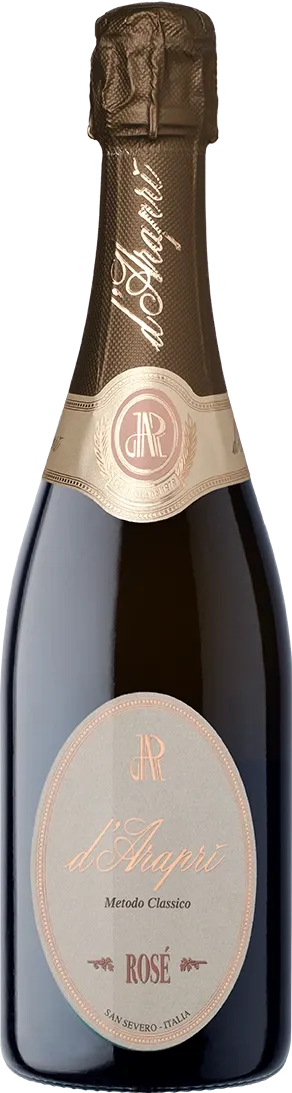
    The Rosé is an authentic expression of Puglia, a wine of identity that could not be missing from the d'Araprì range. This Brut Rosé is born from the meeting of Montepulciano, the deep voice of the land, and Pinot Noir, a grape of international breadth, in a harmonious dialogue between roots and vision.

    Technical Details

    Grape Varieties
    Montepulciano and Pinot Noir.
    Production Area
    Contrada Cotinone and Contrada San Ricciardo.
    Soil
    Clay and limestone, on a gentle slope.
    Exposure and Altitude
    South, South-West, 80-100 m a.s.l.
    Planting Layout
    Apulian pergola – 2,000 vines per hectare.
    Yield per Hectare
    100-120 quintals per hectare, about 3-4 kg per vine
    Harvest
    Mid-August for Pinot Noir and early September for Montepulciano, with hand-picking and manual selection of the grapes.
    Time on Lees
    At least 24 months at an average temperature of 13° C, in the cellars beneath our historic winery.
    Dosage
    6 g/lt
    Tasting Note

    It shows a pink salmon colour crossed by delicate purple nuances, with a soft mousse. The nose is intense, harmonious and enveloping, with floral notes interwoven with light toasted hints. The palate is full and dry yet round, with a pleasant savoury vein that lengthens its persistence. OTHER FORMATS: Also available in 150cl Magnum

    Food Pairing

    Elegante e originale come aperitivo, si rivela sorprendente anche a fine pasto accanto alla pasticceria secca. È lo spumante più morbido proposto dalla Casa, ideale in ogni momento della giornata e naturale simbolo di convivialità, amore e gioia.
    Awards
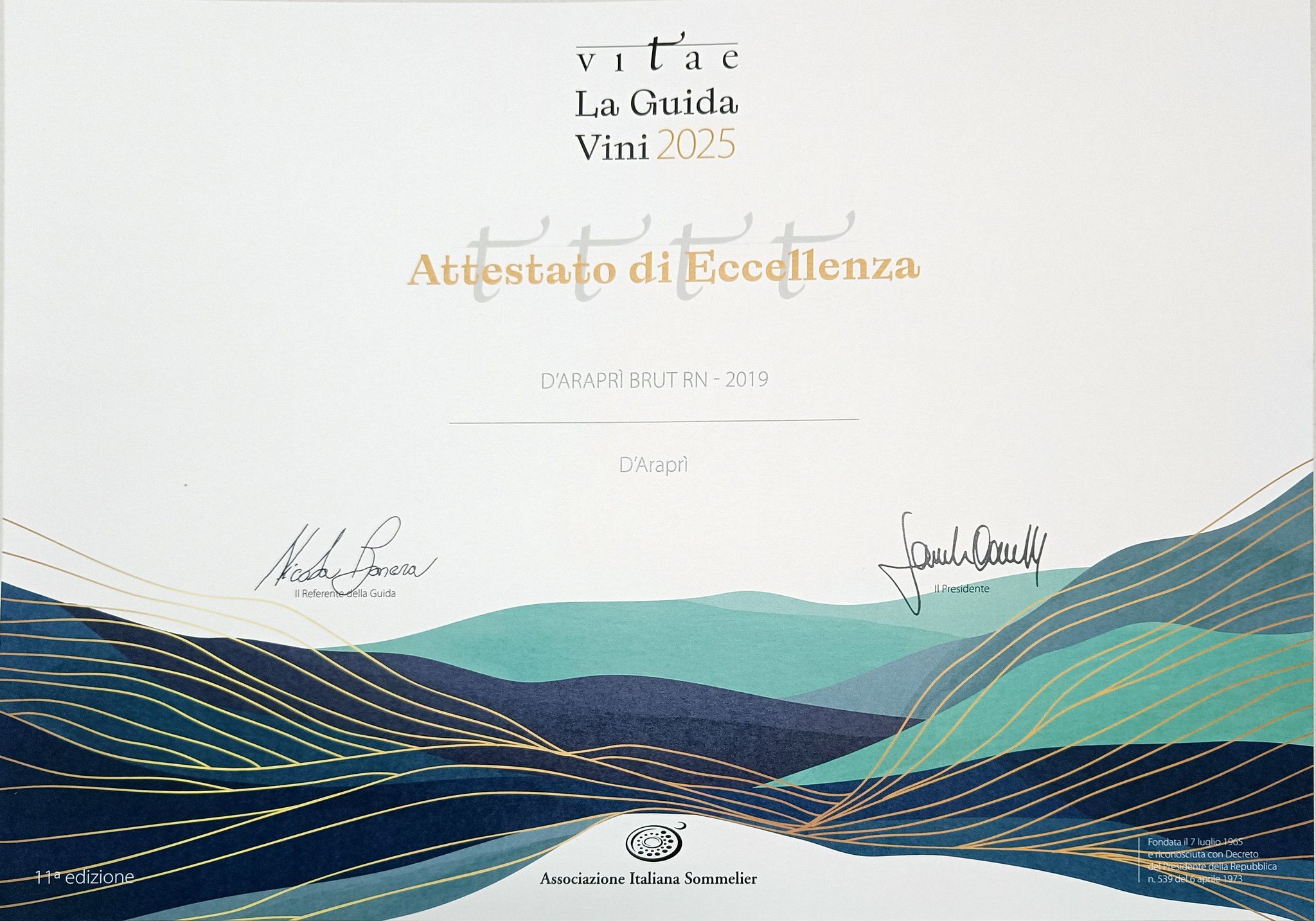
    4 Tralci
    2025

    4 Tralci

    VITAE La Guida Vini

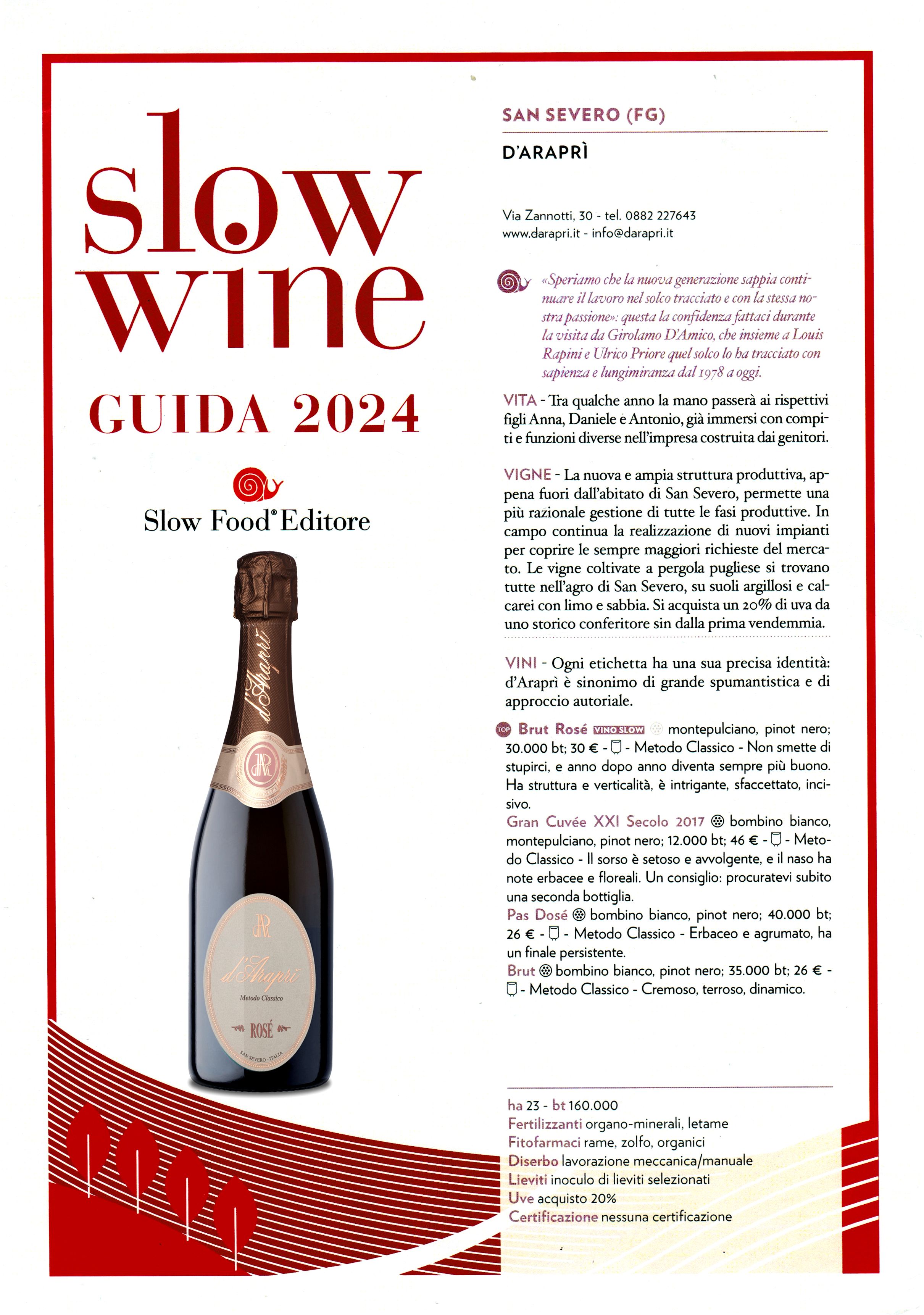
    Vino Slow
    2024

    Vino Slow

    Slow Wine 2024

    2

    Typical Pairings

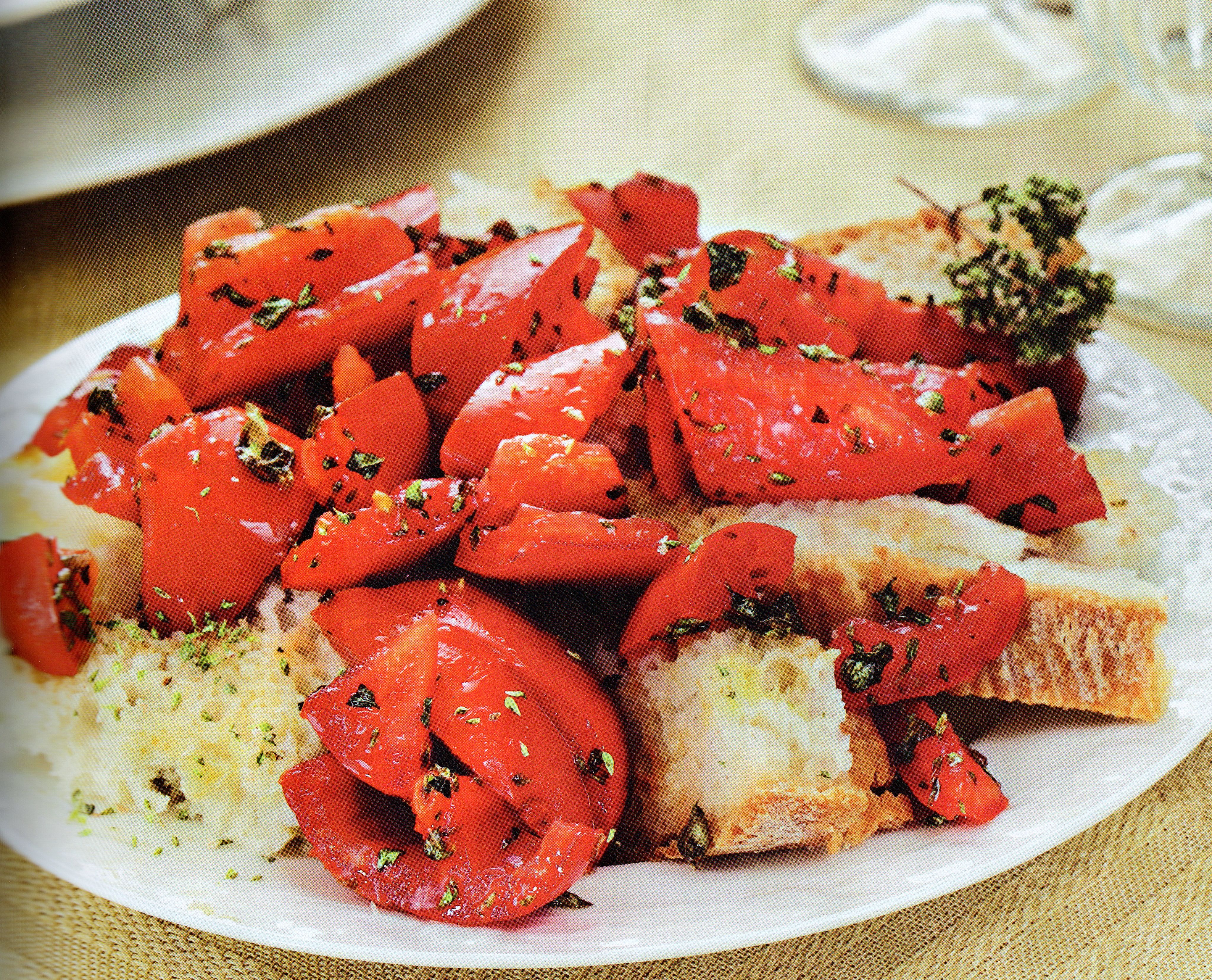
    Acqua e sale (acquasala) (water-and-salt bread salad)

    Acqua e sale (acquasala) (water-and-salt bread salad)

    Slices of stale rustic bread, soaked in water, sprinkled with the juice of local tomatoes, seasoned with salt, oregano and San Severo olive oil. Spring onions make this mainly summery food taste even better.

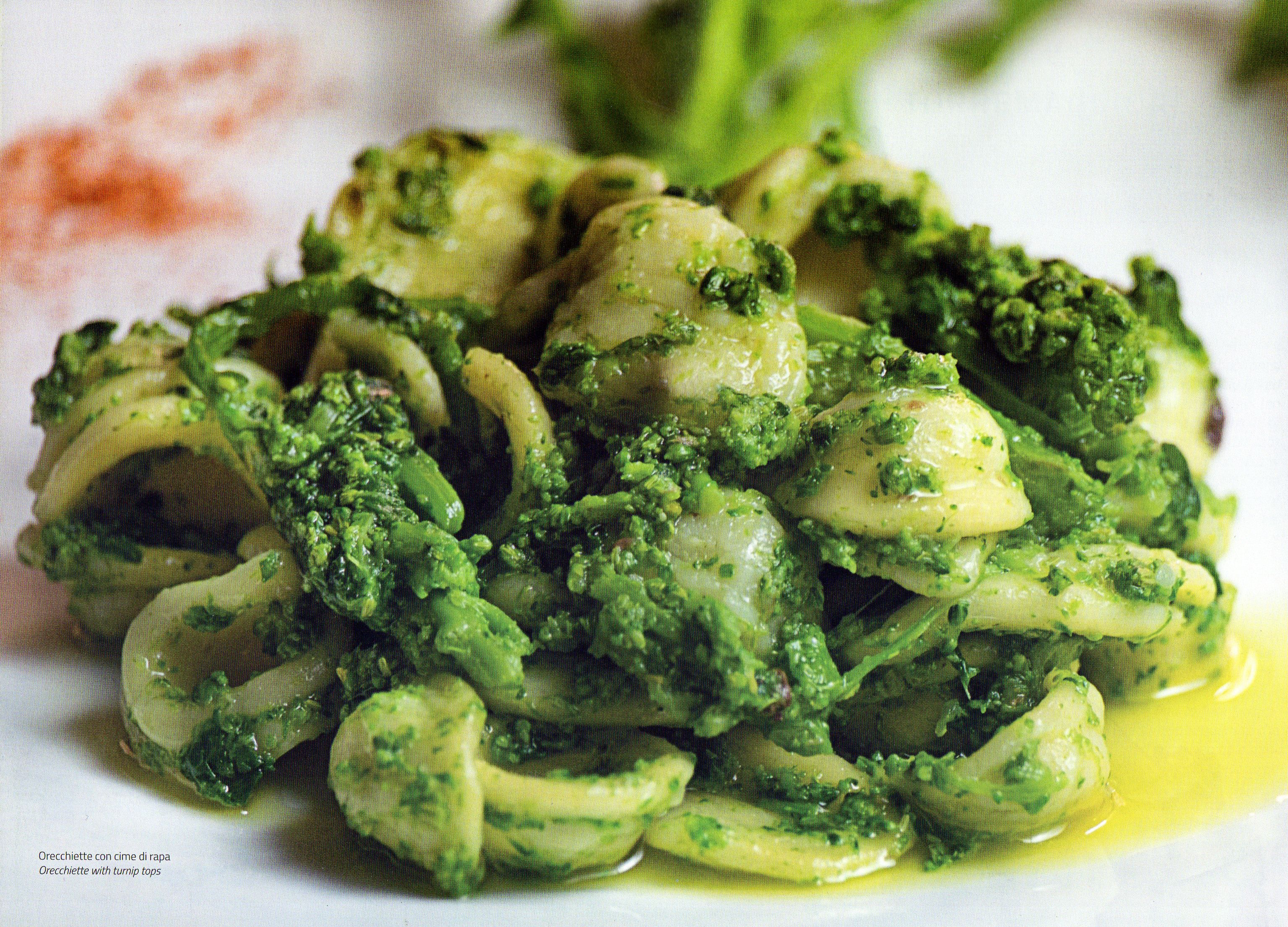
    Orecchiette con cime di rapa e alice (with turnip tops and anchovy)

    Orecchiette con cime di rapa e alice (with turnip tops and anchovy)

    The orecchiette are tossed in a pan with the most tender part of the turnip, a typical garden vegetable, just blanched, salted anchovy fillets, garlic and fragrant Peranzana olive oil.

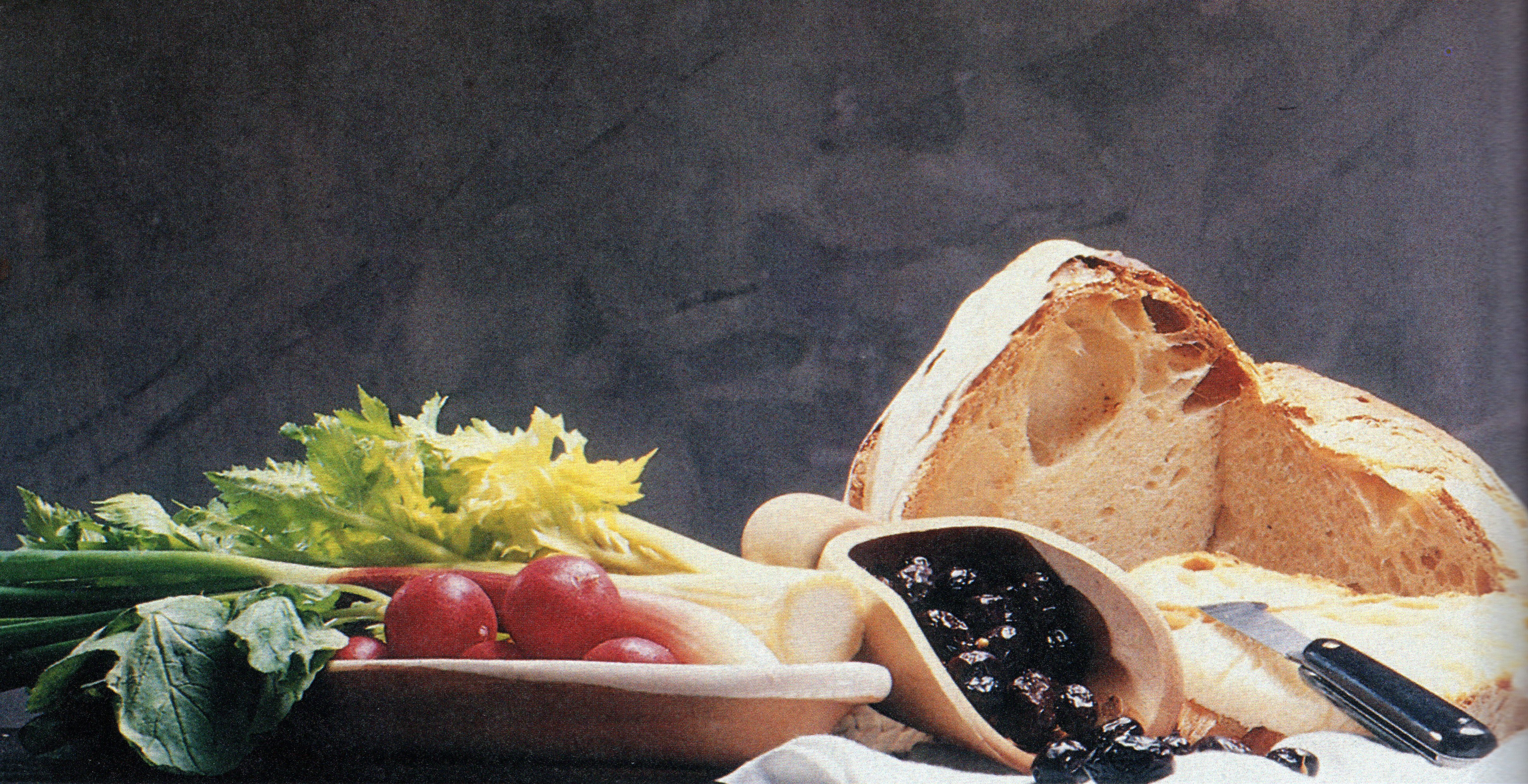
    Radishes in pinzimonio (oil dip)

    Radishes in pinzimonio (oil dip)

    A typical end-of-meal dish of San Severo, where the sharpness of the radish is softened by the sweetness of Peranzana oil.

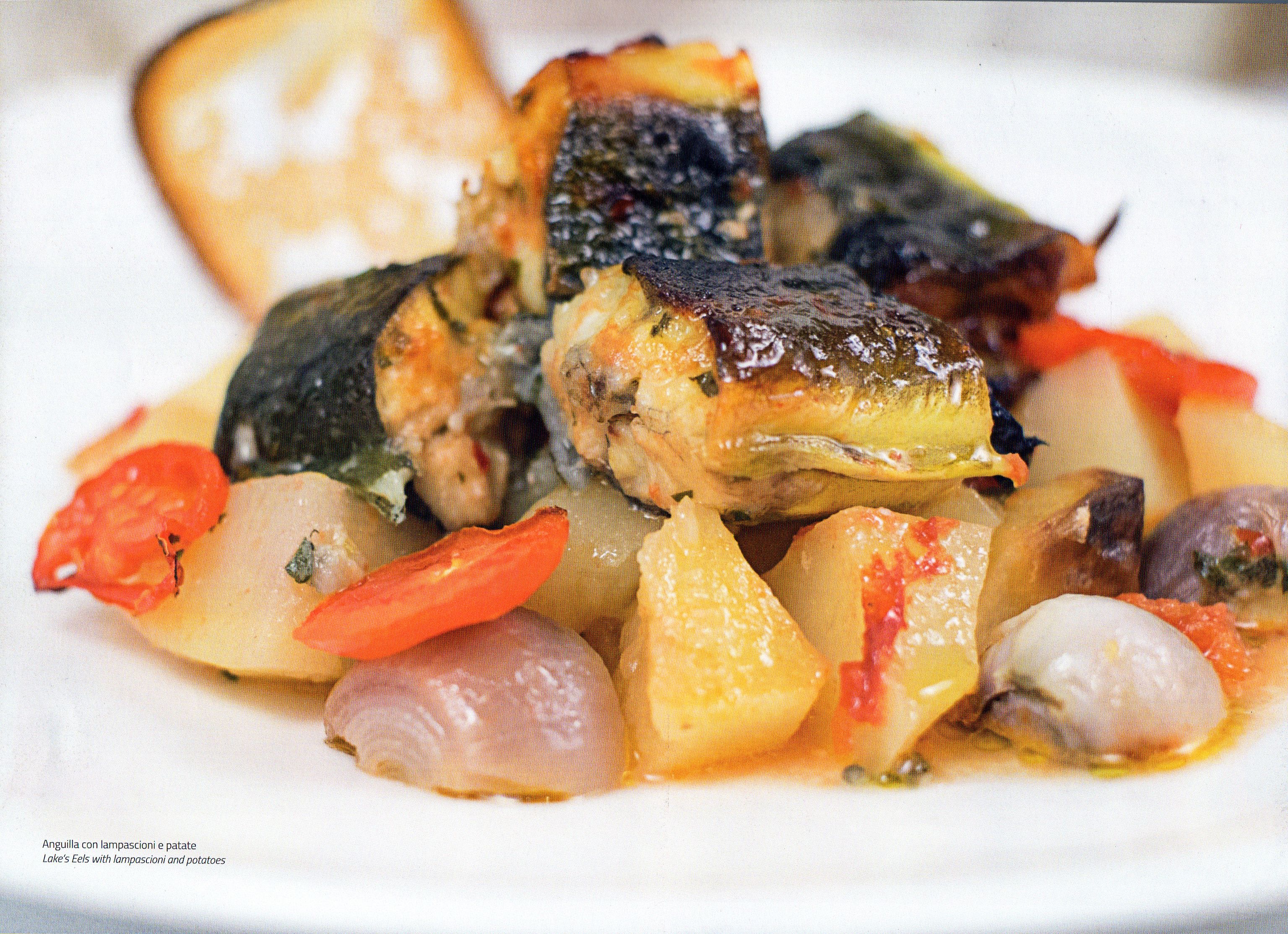
    Anguilla "arraganata" with tomato and lampascione

    Anguilla "arraganata" with tomato and lampascione

    Arraganata, in the dialect form "arrajanet", celebrates authentic peasant cooking, which uses the condiments of the land to "make do" in the preparation of dishes. The difference between the two arraganate courses, both of markedly Mediterranean flavour, lies in the use of a jewel exposed to the sun, the tomato, and of a jewel hidden underground, the lampascione.

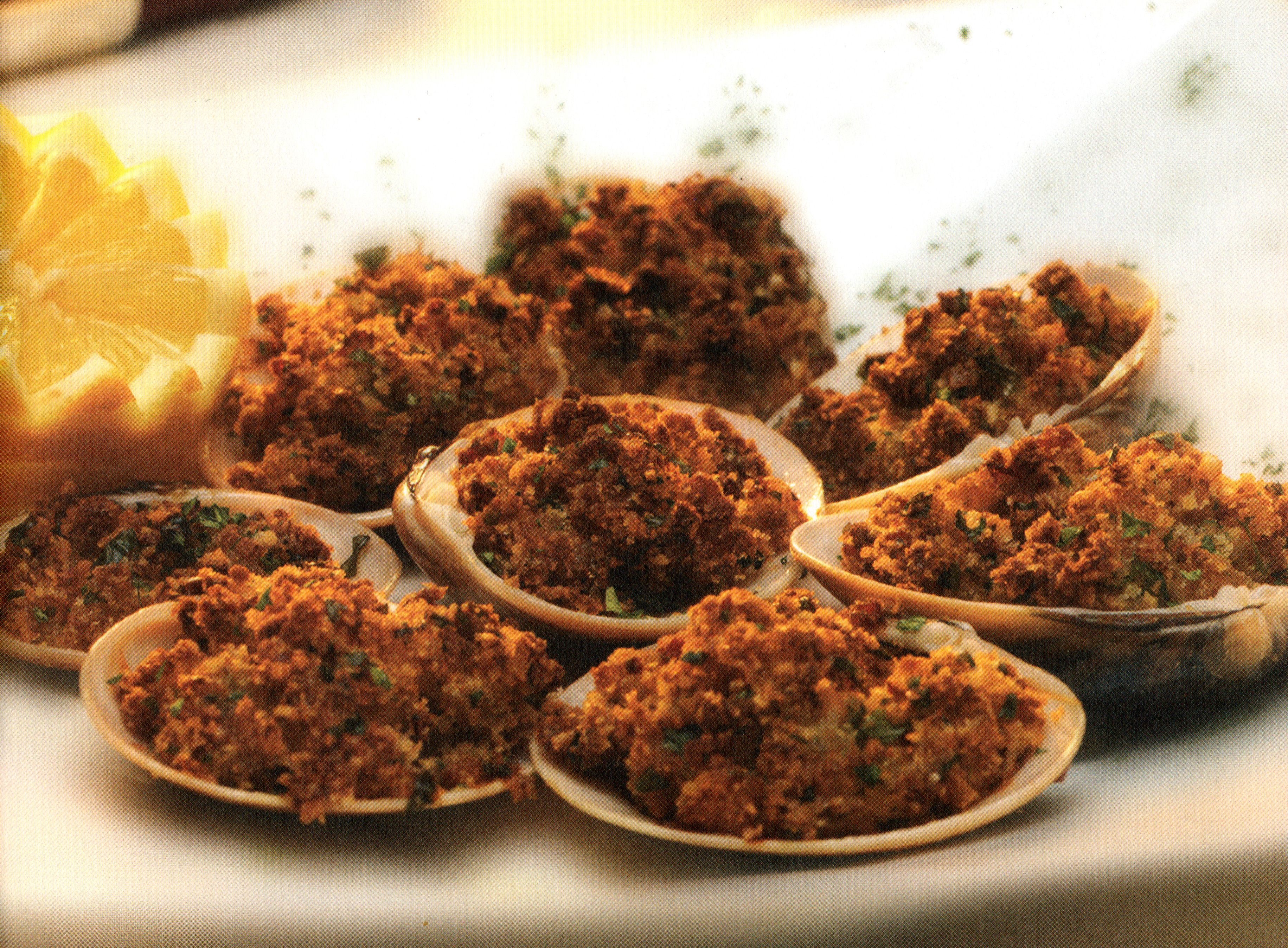
    Gratin fasolari (baked clams)

    Gratin fasolari (baked clams)

    A typical bivalve mollusc of the sandy seabeds of the Adriatic, it is widely used in traditional cooking, which has developed a broad range of preparations, such as this one where it combines the minced fasolaro with breadcrumbs, Parmesan cheese, extra-virgin olive oil and parsley to form a mixture that, baked in the oven, fills the table on feast days

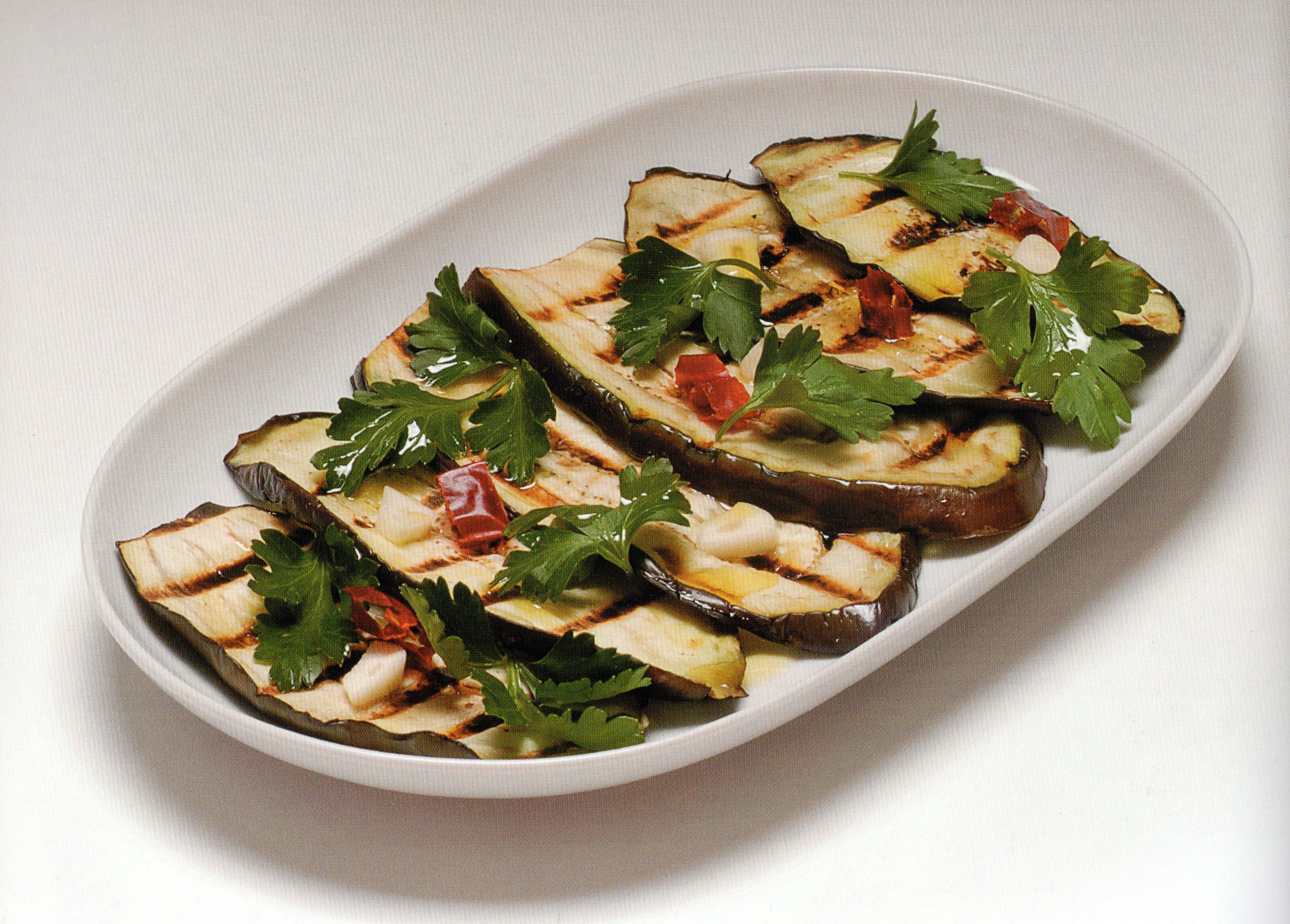
    Grilled aubergines

    Grilled aubergines

    Grilled over the embers and left to marinate for a few days with Dauno extra-virgin olive oil, salt and parsley, they are often the dinner of typical August evenings.